Imagine standing in a misty mountain village in northern Laos. The air is crisp, carrying the scent of woodsmoke and the rhythmic sound of bamboo flutes. Around you, hundreds of people are dressed in their finest, most intricate clothing—silver coins jingling with every step, bright neon sashes contrasting against deep indigo hemp. This is not a performance for tourists. This is the Hmong New Year celebration, the most important event in the Hmong calendar.
For travelers in the USA and Australia, the Hmong New Year (or Nor 30) offers a window into a culture that spans borders and centuries. Whether you are looking to attend a local event like the famous Long Beach Hmong New Year or dreaming of an authentic Hmong New Year in Laos, understanding the timing and significance of this festival is the first step toward an unforgettable experience.
In this guide, we will explore exactly when is Hmong New Year, why the dates shift annually, the deep cultural meaning behind the rituals, and how you can witness it firsthand through immersive travel experiences like the 8-Day Hmong New Year Cultural Immersion Tour.
When Is Hmong New Year Celebrated?
One of the most common questions cultural travelers ask is: When is the Hmong New Year? Unlike the Western calendar, which relies on fixed dates, the Hmong calendar is lunar-based, tied closely to the agricultural cycle.
Traditionally, the Hmong New Year takes place at the end of the harvest season. This usually falls in November and December, often coinciding with the new moon. Because the Hmong people are historically agrarian, the festival marks the completion of a year of hard labor in the fields. It is a time to rest, give thanks to ancestors, and prepare for the renewal of life in the coming spring.
The Shift in Dates
Because the festival relies on the lunar cycle and the harvest completion, the specific dates can vary by region and community.
- In Laos and Southeast Asia: The authentic Hmong New Year in Laos celebrations typically occur from mid-December through early January. This is often referred to as Nor 30 (or Noj Peb Caug), literally meaning “eat thirty,” referring to the ritual feast.
- In Western Countries: Diaspora communities in the United States (like California, Minnesota, and Wisconsin) and Australia often schedule their Hmong New Year festival dates to align with weekends or Western holidays like Thanksgiving to maximize attendance.
For travelers planning a trip, this variability means you need to check specific schedules if you want to catch the New Year Hmong festivities in their most traditional setting.
Cultural Significance: More Than Just a Party
To the outsider, the Hmong New Year celebration looks like a colorful fair. But beneath the vibrant pageantry lies deep spiritual and social significance. It is not just a party; it is a critical mechanism for social cohesion and spiritual renewal.
1. Ancestral Worship and House Spirits
The festival is fundamentally spiritual. Before the public festivities begin, families conduct private rituals at home. The head of the household performs a “soul calling” ceremony (hu plig) to call back the wandering souls of family members to ensure health and prosperity for the coming year. They also sweep the house to remove bad spirits and honor the house spirits who protect the family.
2. The Ball Toss (Pov Pob)
Perhaps the most iconic image of the Hmong New Year festival is the ball toss game. Young men and women line up in rows facing each other, tossing a small cloth ball back and forth. While it looks like a simple game, it is actually a traditional courtship ritual.
- Historically, this was the only time young people from different villages or clans could meet openly.
- Singing poetic songs (kwv txhiaj) while tossing the ball allowed them to express interest and affection discreetly.
- Today, while modern dating apps exist, the ball toss remains a cherished symbol of Hmong identity and romance.
3. Clan Identity and Clothing
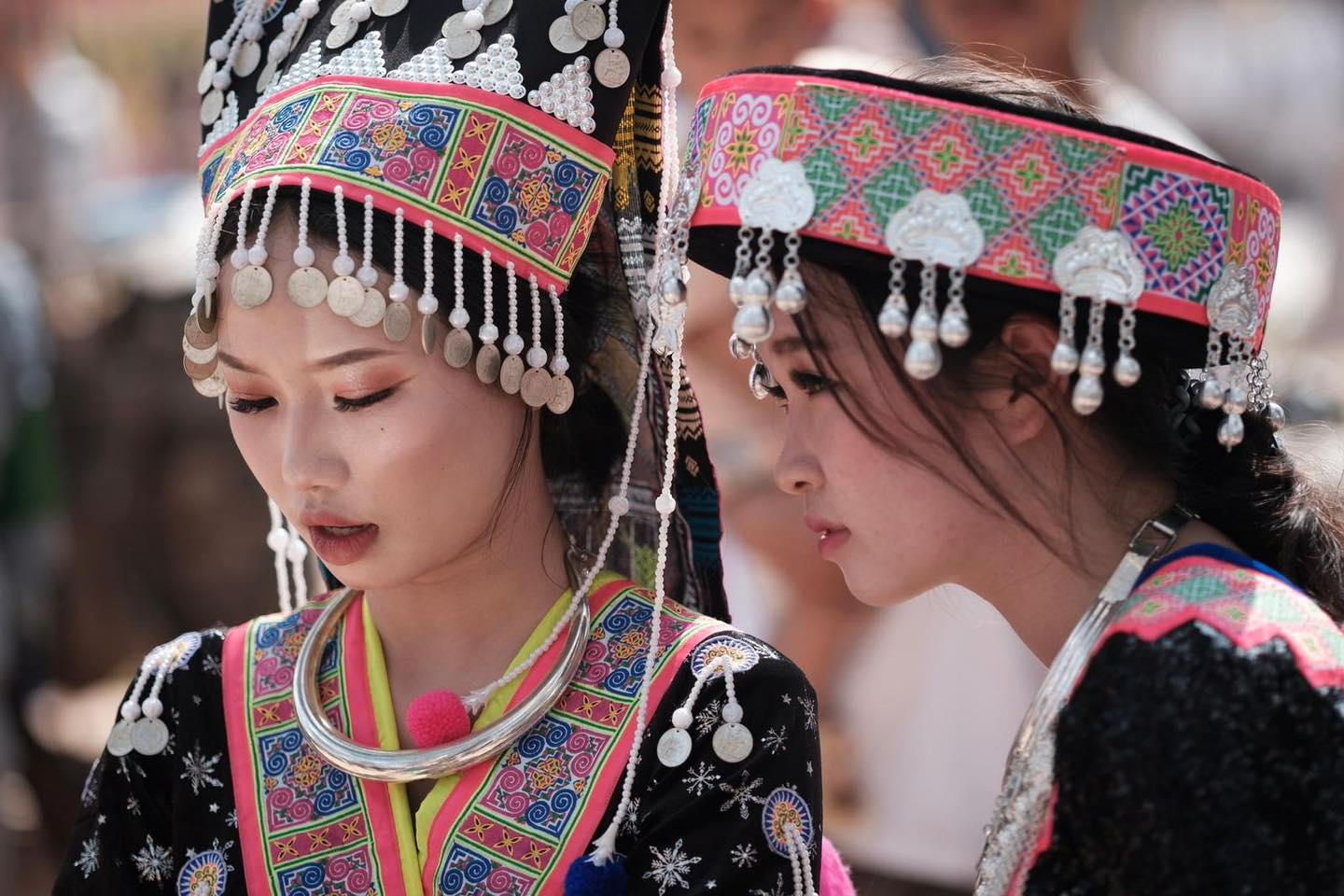
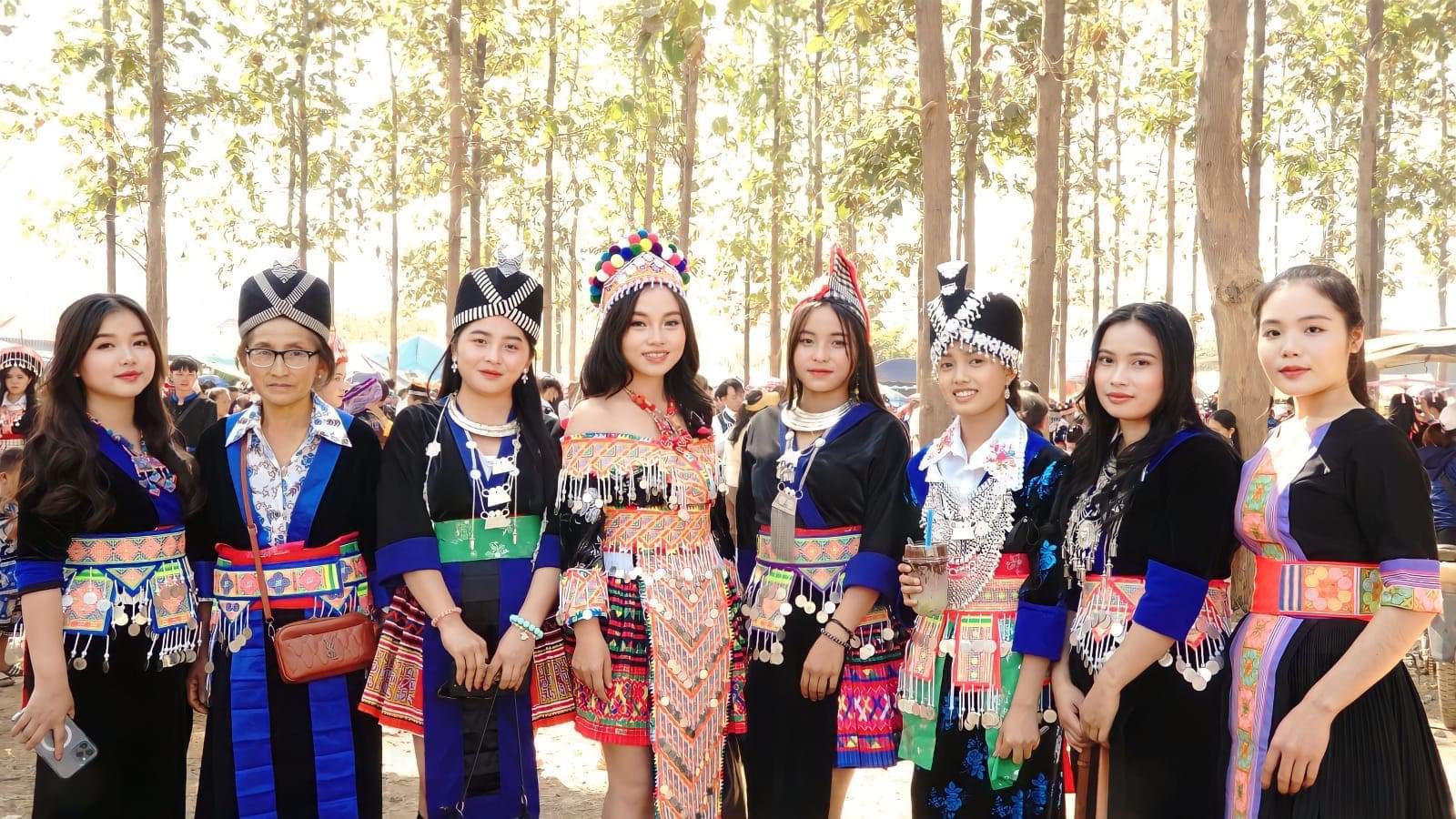
The intricate outfits you see are not costumes; they are badges of identity. The designs, colors, and patterns tell a story about which specific Hmong subgroup the wearer belongs to (e.g., Green Hmong, White Hmong). Mothers often spend the entire year sewing these garments for their children to wear during the New Year Hmong festivities, showcasing their skill and dedication.
Experiencing Hmong New Year in Laos vs. the West
The Hmong New Year celebration has evolved differently depending on where it is held.
Hmong New Year in the Diaspora (USA & Australia)
In places like Fresno, St. Paul, or the Long Beach Hmong New Year, the event is often held in large stadiums or fairgrounds.
- Atmosphere: It feels like a massive cultural reunion. There are beauty pageants, dance competitions, and hundreds of vendors selling Hmong food, clothes, and herbal medicines.
- Accessibility: It is easy to attend, organized with set dates, and family-friendly.
- Focus: Cultural preservation and community gathering.
Hmong New Year in Laos (The Authentic Roots)
Experiencing Hmong New Year in Laos is entirely different. It happens in villages, surrounded by nature.
- Atmosphere: Intimate and raw. You might see a bullfighting event in a dusty field, hear impromptu singing, or watch families share a meal on low rattan stools.
- Authenticity: This is where the traditions are lived, not just performed. The Hmong New Year Laos experience connects you directly to the land and the history of the people.
- Connection: You are not just a spectator; in smaller villages, you are often welcomed as a guest.
For cultural travelers, photographers, and history enthusiasts, traveling to Laos offers the “deep immersion” that Western festivals cannot replicate.
The Ultimate Immersion: 8-Day Hmong New Year Cultural Tour
If you are looking for Hmong New Year Booking 2025 opportunities, consider going beyond a standard sightseeing trip. The best way to understand Nor 30 is to experience it alongside the people who celebrate it.
An excellent example of this is the 8-Day Hmong New Year Cultural Immersion Tour in Laos. This itinerary is designed specifically for travelers who want to bypass the mass tourism crowds and understand the heart of the festival.
Why This Journey is Unique
Unlike standard tours that might stop at a festival for an hour, this immersion places you inside the culture for over a week.
- Small Group: Limited to 6–8 people, ensuring respectful access to villages.
- Expert Guidance: You are led by a local Hmong host who acts as a cultural bridge, explaining the nuances of what you are seeing—from the shaman’s chants to the patterns on a skirt.
- Remote Access: You visit communities in Nong Khiaw and Oudomxai that rarely see Western tourists.
Highlights of the Itinerary
Here is a glimpse of what a deep-dive Hmong New Year celebration trip looks like:
Days 1-2: Luang Prabang & The Meaning of Nor 30
Your journey begins in Luang Prabang, the spiritual heart of Laos. But instead of just looking at temples, you dive into a cultural workshop. You learn about the clan structures and the symbols behind the clothing you will see. You then attend your first festival gathering—a sensory overload of color and sound that kicks off the season.
Days 3-4: Into the Mountains of Nong Khiaw
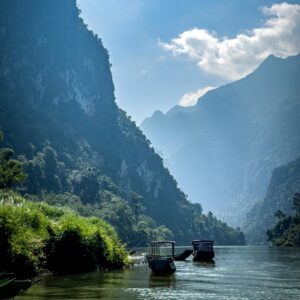
You leave the city for the limestone karst mountains. The tour stops at remote villages where weaving and farming are daily realities. A private cruise on the Nam Ou river offers a moment of reflection before you hike the “Buffalo Trail,” seeing the landscape that has sustained Hmong families for generations.
Day 5: Oudomxai & Sustainable Change
Travel deeper north to Oudomxai. Here, you explore “Team Farms,” an inspiring project where communities have replaced historical opium cultivation with sustainable crops. This provides context to the modern challenges and triumphs of the Hmong people, adding a layer of social awareness to your trip.
Day 6: The Tribal Trail 4×4 Adventure
This is the pinnacle of the trip for adventure seekers. You board 4×4 vehicles to traverse rugged terrain, visiting seven ancient villages. Each village has its own dialect and spiritual practices. Your guide facilitates genuine interactions, perhaps allowing you to witness a private house blessing or a traditional meal preparation. This is the Hmong New Year in Laos at its most authentic.
Days 7-8: Reflection and Return
You return to Luang Prabang via the modern high-speed train, bridging the ancient and modern worlds of Laos. A farewell dinner cements the friendships made, leaving you with memories that go far beyond a typical holiday.
Planning Your Trip: Hmong New Year Booking 2025
If you are eyeing a Hmong New Year Booking 2025, timing is everything. Since the festival dates in Laos are fluid based on the harvest, working with specialized tour operators is crucial. They have the local networks to know exactly when the villages will be celebrating Nor 30.
Who Is This Trip For?
- Cultural Travelers: Those who crave context and meaning, not just photos.
- Photographers: The visual spectacle of the New Year Hmong outfits against the backdrop of the Lao mountains is world-class.
- Solo Travelers: The small group setting provides safety and companionship.
- Families: A powerful educational experience for older children to learn about global cultures.
Practical Tips for Travelers from the USA and Australia
- Visa: Most US and Australian citizens can get a Visa on Arrival in Laos or an E-Visa.
- Flights: Connect through Bangkok (BKK) or Hanoi (HAN) to reach Luang Prabang (LPQ).
- Etiquette: Always ask before taking close-up portraits, especially of elders. Your guide will help navigate this.
- Clothing: Bring modest clothing for village visits (covering shoulders and knees) and comfortable layers for cool mountain evenings.
Why You Should Experience Hmong New Year
Whether you attend the Long Beach Hmong New Year to support the diaspora community or trek into the mountains for the Hmong New Year in Laos, witnessing this festival is a privilege.
It is a celebration of survival, identity, and joy. It reminds us that no matter how modern the world becomes, the connection to ancestors, family, and the land remains the foundation of who we are.
So, when is the Hmong New Year? It is when the harvest is done, the moon is new, and the silver coins begin to jingle in the mountains. It is a time you won’t want to miss.
Ready to witness the vibrant Nor 30 festival yourself?
Secure your spot for the Hmong New Year Booking 2025 season now. Spaces on immersive small-group tours are extremely limited. Contact us today to begin your journey into the heart of Hmong culture.