
Is Laos Safe to Visit? Complete 2024 Safety Guide
Laos consistently ranks among Southeast Asia’s safest destinations, yet many travelers still wonder: Is Laos safe to visit? The answer is a resounding yes—with the right preparation and awareness. This comprehensive guide addresses every safety concern you might have and provides practical advice for a worry-free journey through the “Land of a Million Elephants.”
Located in the heart of Southeast Asia, Laos captivates visitors with its golden temples, pristine waterfalls, and warm hospitality. From the UNESCO World Heritage city of Luang Prabang to the dramatic karst landscapes of Vang Vieng, this landlocked nation offers incredible experiences for adventurous travelers. However, understanding potential safety challenges and how to navigate them will ensure your trip is both memorable and secure.
Understanding Laos: Geography and Political Stability
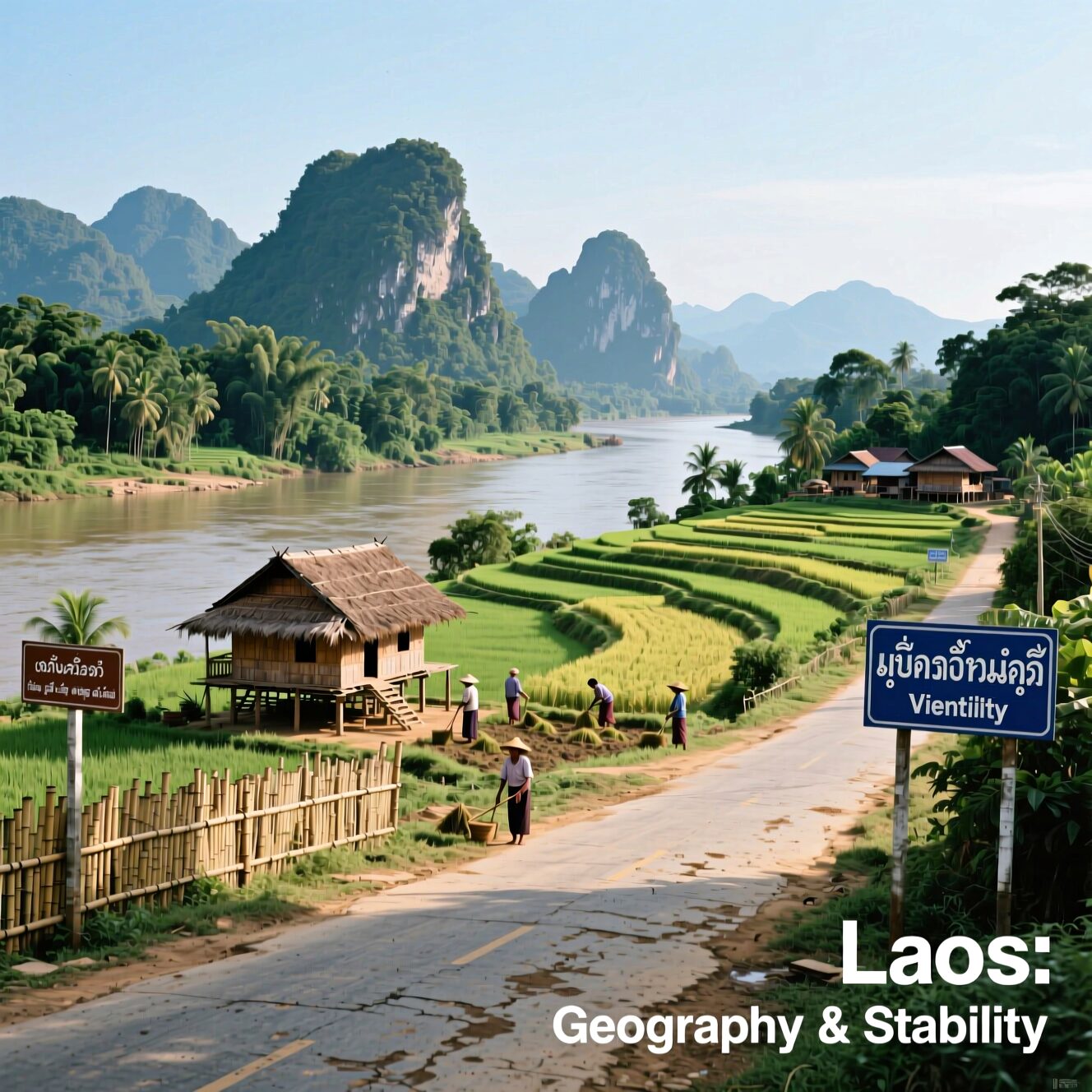
A Peaceful Nation with a Rich Cultural Heritage
Laos is home to over 50 ethnic groups, with Buddhism being the predominant religion practiced by approximately 67% of the population. This spiritual foundation contributes to a generally peaceful society where conflicts are rare and visitors are welcomed with genuine warmth.
The country’s diverse landscapes range from the mountainous north, where hill tribes like the Hmong and Khmu maintain traditional lifestyles, to the Mekong Delta in the south, dotted with the famous 4,000 Islands. This geographical diversity means safety considerations can vary by region, but overall risk levels remain low across the country.
Political Climate and Stability
Unlike some neighboring countries that have experienced political upheaval, Laos maintains relative political stability. The government actively promotes tourism as a key economic sector, implementing measures to protect visitors and maintain order in tourist areas. According to the U.S. State Department’s travel advisories, Laos receives a Level 2 rating (Exercise Increased Caution), primarily due to limited infrastructure rather than security threats.
The Australian Department of Foreign Affairs and Trade echoes this assessment, noting that while petty crime exists, violent crime against tourists is uncommon. Government initiatives focus on developing tourism infrastructure while preserving cultural heritage, creating a safer environment for international visitors.
Common Safety Concerns and Practical Solutions
Petty Crime: What to Expect and How to Prevent It
Petty theft represents the most common safety concern for visitors to Laos. Tourist areas like the night markets in Luang Prabang and busy streets in Vientiane occasionally see incidents of pickpocketing and bag snatching. However, these occurrences remain significantly lower than in many other Southeast Asian destinations.
Practical prevention strategies:
- Use a money belt or hidden pouch for important documents and cash
- Avoid displaying expensive jewelry, cameras, or electronics openly
- Keep bags zipped and positioned in front of your body in crowded areas
- Store valuables in hotel safes rather than carrying them unnecessarily
- Stay alert in markets, bus stations, and other crowded public spaces
Sarah, a solo traveler from Australia, shared her experience: “I was initially nervous about safety in Laos, but I found the people incredibly honest. When I accidentally left my camera at a restaurant in Luang Prabang, the staff kept it safe for three days until I returned.”
Road Safety: Navigating Transportation Challenges
Road conditions and traffic safety present genuine concerns for travelers in Laos. Many roads, particularly in rural areas, lack proper lighting and maintenance. Local driving habits may seem chaotic to Western visitors, and motorcycle accidents involving tourists occur regularly.
Transportation safety recommendations:
- Hire experienced local drivers for long-distance journeys instead of self-driving
- Always wear helmets when riding motorcycles or scooters
- Avoid traveling on roads after dark due to poor visibility and unpredictable conditions
- Choose reputable transportation companies with good safety records
- Consider domestic flights for longer distances to avoid challenging mountain roads
The World Health Organization data indicates that road traffic injuries are a leading cause of accidents among tourists in Laos. However, taking precautions dramatically reduces these risks.
Unexploded Ordnance (UXO): A Historical Reality
Laos carries the unfortunate distinction of being the most heavily bombed country per capita in history, with extensive UXO contamination remaining from the Vietnam War era. While this sounds alarming, the risk to tourists following established routes is minimal.
UXO safety guidelines:
- Stick to marked paths and established trails when trekking
- Never touch or move any suspicious metal objects
- Hire local guides familiar with safe routes in rural areas
- Heed all warning signs and local advice about off-limits areas
- Avoid venturing into unmarked jungle areas without proper guidance
Organizations like UXO Lao continue clearance efforts, and tourist areas receive priority attention. Popular destinations like Luang Prabang, Vang Vieng, and the 4,000 Islands maintain clear, safe access routes.
Tourist Scams: Recognition and Avoidance
While Laos has fewer aggressive scams than some neighboring countries, tourists should remain vigilant for common tricks:
Typical scams include:
- Inflated prices for goods and services in tourist areas
- Fake tour operators offering unrealistic deals
- Gem or antique scams targeting unsuspecting buyers
- Transportation scams involving overcharging or route changes
Avoidance strategies:
- Book tours through established agencies with proper licenses
- Negotiate prices beforehand and get written confirmation
- Research typical costs for activities and transportation
- Be skeptical of deals that seem too good to be true
- Ask your accommodation for recommended service providers
Safe Areas vs. Areas Requiring Extra Caution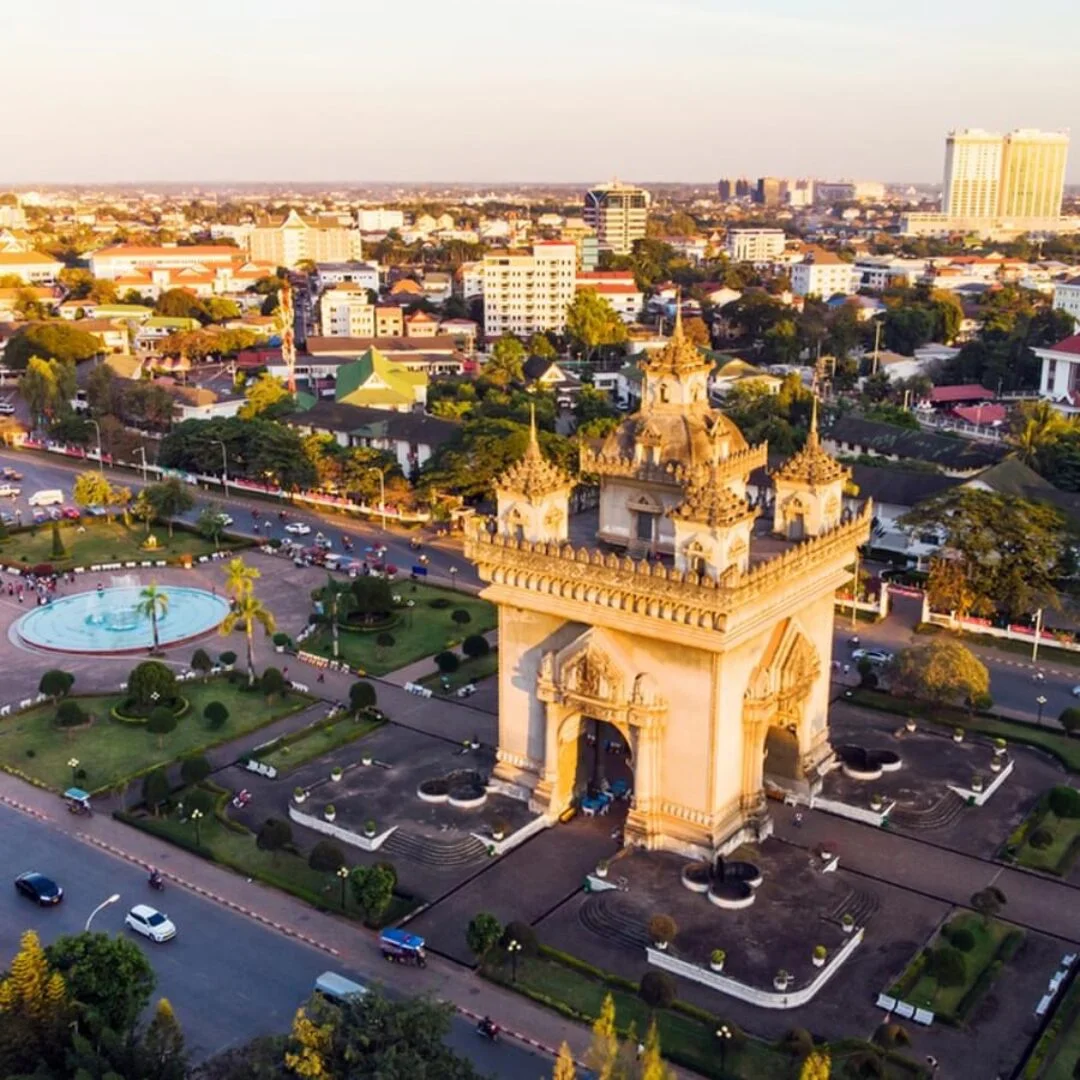
Tourist-Friendly Safe Zones
Luang Prabang stands out as one of Southeast Asia’s safest tourist destinations. This UNESCO World Heritage city maintains a strong police presence, well-lit streets, and a community-focused approach to visitor safety. The combination of tourism revenue importance and cultural respect creates an environment where crime is rare and assistance is readily available.
Resident Bounmy, who runs a guesthouse in Luang Prabang, explains: “We take pride in keeping our city safe for visitors. Tourism supports many families here, so protecting guests is protecting our livelihood and our culture.”
Vientiane, the capital city, offers urban amenities with relatively low crime rates. The city’s compact size makes navigation easy, and the concentration of embassies and government offices ensures good security infrastructure. Popular areas like the riverfront and morning markets maintain regular security patrols.
Vang Vieng has transformed from a party destination with safety issues to a more family-friendly location focused on outdoor adventures. Recent infrastructure improvements and increased regulation of tourism activities have significantly enhanced visitor safety.
Areas Requiring Additional Precautions
Remote border regions, particularly those near Myanmar and areas along the Vietnamese border, may have limited emergency services and communication infrastructure. While not necessarily dangerous, these regions require extra planning and preparation.
Rural mountain areas in northern provinces like Phongsali and Luang Namtha offer incredible cultural experiences but demand respect for local conditions. The weather can change rapidly, and medical facilities may be hours away.
Certain sections of the Mekong River during the monsoon season can become hazardous for boat travel. Always check current conditions and use reputable boat operators with proper safety equipment.
Essential Safety Tips for Travelers
Health Precautions and Medical Preparedness
Laos requires several health considerations that, while manageable, need planning:
Recommended vaccinations:
- Hepatitis A and B
- Typhoid
- Japanese encephalitis (for rural areas)
- Routine vaccines (measles, mumps, rubella, polio)
Water and food safety:
- Drink only bottled or properly purified water
- Avoid ice unless you’re confident of the water source
- Choose busy restaurants with high turnover for street food
- Eat fruits you can peel yourself
- Be cautious with raw vegetables and salads
Medical facilities vary significantly between urban and rural areas. Vientiane and Luang Prabang have adequate hospitals for basic care, but serious medical emergencies may require evacuation to Thailand or Vietnam. Comprehensive travel insurance covering medical evacuation is essential.
Pack a basic first-aid kit including bandages, antiseptics, pain relievers, anti-diarrheal medication, and any personal prescription medicines. Include extra supplies, as familiar brands may not be available locally.
Cultural Sensitivity and Local Customs
Respecting local customs not only shows appreciation for Lao culture but also enhances your safety by avoiding unintentional offense:
Temple etiquette:
- Remove shoes before entering temple buildings
- Dress modestly with covered shoulders and knees
- Don’t point feet toward Buddha images
- Ask permission before photographing monks or ceremonies
Social interactions:
- Avoid touching anyone’s head, considered sacred
- Use both hands when giving or receiving items
- Keep public displays of affection minimal
- Remove hats when meeting elderly people or officials
General courtesy:
- Learn basic Lao phrases like “sabaidee” (hello) and “khop chai” (thank you)
- Dress conservatively, especially outside tourist areas
- Avoid discussing politics or sensitive historical topics
- Show respect for the monarchy and national symbols
Understanding these customs helps you blend in respectfully and reduces the likelihood of uncomfortable situations or misunderstandings.
Money and Document Security
Financial safety measures:
- Notify banks of travel plans to prevent card blocking
- Carry multiple payment methods (cash, cards, emergency funds)
- Use hotel safes for passport originals and excess cash
- Keep photocopies of important documents separately
- Consider using a dummy wallet with small bills for everyday purchases
Document management:
- Register with your embassy upon arrival
- Maintain digital copies of all important documents
- Keep emergency contact information easily accessible
- Understand visa requirements and extension procedures
- Carry proper identification at all times
Local Perspectives and Government Initiatives
Community-Based Safety Measures
Lao communities have developed informal but effective safety networks that benefit tourists. Village elders often take responsibility for visitor welfare, and guesthouse owners typically provide local guidance and support.
Kham, a tuk-tuk driver in Luang Prabang, shared: “We drivers know each other well. If someone needs help or gets lost, we communicate and help solve problems quickly. Tourists are our guests, and we take care of guests.”
This community approach to visitor safety creates multiple layers of support beyond official channels. Local people often go out of their way to assist confused tourists, provide directions, or help solve minor problems.
Government Tourism Safety Programs
The Lao government has implemented several initiatives to enhance tourist safety:
Tourism Police Units operate in major destinations, specifically trained to assist foreign visitors with language skills and cultural understanding. These officers focus on prevention and assistance rather than enforcement.
Infrastructure Development projects prioritize tourist routes, improving road conditions, signage, and emergency services in popular areas. Recent investments include better lighting in temple areas and improved river dock facilities.
Tour Operator Regulation requires proper licensing and insurance for companies serving international visitors. This system helps ensure minimum safety standards and provides recourse for problems.
Emergency Response Coordination between tourism authorities and medical facilities has improved response times and treatment quality for tourist medical emergencies.
Addressing Specific Traveler Concerns
Solo Female Travelers
Female travelers often express particular safety concerns about visiting Laos. The reality is generally positive, with most women reporting feeling safe and comfortable throughout their journeys.
Positive factors for women:
- Buddhist culture emphasizes respect and non-violence
- Harassment of foreign women is uncommon
- Strong family structures create community-based protection
- Many successful female-run businesses in the tourism sector
Practical considerations:
- Dress conservatively, especially in rural areas
- Use an accommodation with good reviews from other solo female travelers
- Trust your instincts about people and situations
- Consider joining group activities to meet other travelers
- Stay connected with family or friends about your whereabouts
Emma, a solo traveler from Canada, reflected: “I felt safer walking alone at night in Luang Prabang than I do in many cities back home. People were respectful and helpful without being intrusive.”
Family Travel Considerations
Families visiting Laos need to consider age-appropriate activities and additional safety measures for children:
Child-specific safety concerns:
- Heat exhaustion and dehydration risks
- Unfamiliar foods are causing stomach upset
- Different hygiene standards require extra precautions
- Limited pediatric medical facilities in remote areas
Family-friendly safety strategies:
- Choose accommodations with pools or air conditioning
- Carry extra supplies of familiar foods and medications
- Plan shorter activity days with rest periods
- Use reputable tour operators experienced with families
- Ensure children understand basic safety rules about wandering off
Adventure Activity Safety
Laos offers numerous outdoor adventures, each with specific safety considerations:
Trekking safety:
- Use licensed guides familiar with current trail conditions
- Carry emergency communication devices in remote areas
- Inform others of planned routes and expected return times
- Pack appropriate gear for weather and terrain changes
Water activities:
- Verify that boat operators provide life jackets
- Check weather conditions before river trips
- Understand your swimming ability limitations
- Use sunscreen and protective clothing for long water exposure
Cave exploration:
- Never explore caves without proper guides and equipment
- Understand physical demands before committing to tours
- Carry backup lighting and emergency supplies
- Respect cave conservation guidelines
Frequently Asked Questions About Safety in Laos
Is it safe to drink tap water in Laos?
No, avoid tap water throughout Laos. The water treatment infrastructure doesn’t meet international standards, and waterborne illnesses are common among travelers who consume untreated water. Stick to bottled water from sealed containers, and be cautious about ice unless you’re confident of the source. Many hotels provide complimentary bottled water, and purchasing additional bottles is inexpensive throughout the country.
What should I do if I encounter unexploded ordnance?
If you discover any suspicious metal objects, especially in rural areas, do not touch or move them. Mark the location if possible, move away immediately, and report the find to local authorities or your tour guide. UXO remains dangerous decades after the original conflict, but following marked paths and established routes virtually eliminates this risk for tourists.
Are there any specific health risks I should know about?
Dengue fever and malaria exist in some areas, particularly during rainy season. Use insect repellent, wear long sleeves during dawn and dusk hours, and consider prophylactic medications if recommended by your doctor. Japanese encephalitis vaccination is recommended for travelers spending extended time in rural areas. Food and waterborne illnesses pose the most common health risks, but proper precautions significantly reduce these concerns.
How reliable are emergency services in Laos?
Emergency services vary significantly between urban and rural areas. Major cities like Vientiane and Luang Prabang have functioning emergency systems, though response times may be slower than Western standards. In remote areas, emergency services may be very limited or unavailable. Comprehensive travel insurance with medical evacuation coverage is essential, as serious emergencies may require transport to Thailand or Vietnam for proper treatment.
What’s the current political situation, and should I be concerned?
Laos maintains political stability with no significant unrest or anti-foreigner sentiment. The government actively promotes tourism and generally maintains good relationships with Western countries. Avoid political discussions and demonstrations if they occur, but normal tourist activities proceed without political interference. Monitor your embassy’s travel advisories for any updates, though major changes are unlikely.
Making Your Safety Priorities Clear
Your journey to Laos should focus on experiencing the country’s incredible natural beauty, rich culture, and genuine hospitality. By understanding potential risks and taking reasonable precautions, you can explore confidently while staying safe.
The key lies in preparation rather than avoidance. Purchase comprehensive travel insurance, research your destinations, respect local customs, and maintain awareness of your surroundings. Most problems tourists encounter in Laos are minor and easily prevented with basic precautions.
Connect with reputable local tour operators who prioritize safety alongside authentic experiences. Companies like Brother Tours, founded by locals with deep cultural knowledge, provide the expertise and support that transform potential concerns into confident exploration.
Remember that millions of tourists visit Laos safely each year, creating lifelong memories of this enchanting country. From sunrise over the Plain of Jars to sunset boat trips along the Mekong, from meditation in ancient temples to adventures in pristine national parks, Laos offers experiences that are both safe and transformative.
The combination of Buddhist culture, community-focused society, and government tourism initiatives creates an environment where visitors can explore with confidence. Your biggest challenge won’t be staying safe—it will be choosing which incredible experiences to prioritize during your time in this captivating destination.
Ready to explore Laos safely? Book a Laos tour today and discover why this hidden gem of Southeast Asia creates such lasting impressions on every traveler who visits respectfully and prepares thoughtfully.